
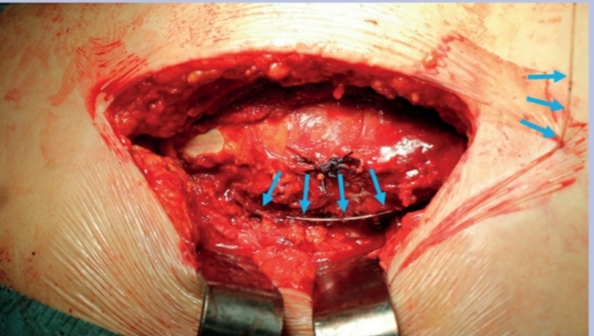
Local Infiltration Analgesia (LIA) and Continuous Wound Infusion (CWI) (also called continuous wound infiltration) are both techniques used in multimodal postoperative pain management to provide analgesia by delivering local anesthetics directly to the surgical site, reducing the need for opioids and their side effects (e.g., nausea, sedation, respiratory depression).Local Infiltration Analgesia (LIA)LIA is a surgeon-administered technique involving a single-shot (or sometimes repeated) injection of a high-volume, diluted mixture of long-acting local anesthetic (typically ropivacaine or bupivacaine) into the tissues around the surgical field, including periarticular, subcutaneous, and deeper layers.Common adjuvants — Often include ketorolac (NSAID), epinephrine (to prolong effect and reduce bleeding), and sometimes corticosteroids or morphine.
Typical use — Primarily popularized for total knee arthroplasty (TKA) and total hip arthroplasty (THA), but applied in other procedures.
Technique — Performed intraoperatively, often toward the end of surgery. A large volume (e.g., 150–170 mL of dilute ropivacaine ~2 mg/mL, plus adjuvants) infiltrates multiple layers systematically.
Advantages — Provides immediate, effective short- to medium-term analgesia (hours to ~1–2 days), improves early mobilization, and reduces opioid consumption.
Limitations — Analgesia duration is limited unless supplemented (e.g., with catheters for top-ups).
Continuous Wound Infusion (CWI)CWI involves placing a multi-holed catheter into or near the surgical wound at the end of the procedure, connected to a pump (e.g., elastomeric pump like ON-Q) for continuous or intermittent delivery of local anesthetic over days.Common agents — Ropivacaine (e.g., 0.2–0.5%) or levobupivacaine, infused at rates like 2 mL/h for 48–72 hours or longer.
Typical use — Broadly applied in abdominal surgeries (e.g., laparotomy, colorectal, cesarean, hepatectomy), thoracic procedures, orthopedic wounds, and more.
Technique — Surgeon inserts the catheter (subcutaneous, preperitoneal, or wound layers) before closure. Delivery modes include continuous infusion, patient-controlled boluses, or intermittent.
Advantages — Provides prolonged analgesia (days), opioid-sparing effects, reduced pain at rest/movement, faster bowel recovery in abdominal cases, and fewer side effects (e.g., lower nausea/vomiting, hypotension risk in some comparisons).
Safety — Generally low risk of infection, no major increase in wound complications; effective alternative to epidural or IV PCA in many settings.
Key Similarities and DifferencesBoth are part of multimodal analgesia (combined with oral/IV NSAIDs, acetaminophen, etc.) and target peripheral nociception to minimize systemic opioids.Aspect
Local Infiltration Analgesia (LIA)
Continuous Wound Infusion (CWI)
Delivery
Single high-volume injection (± adjuvants)
Continuous/low-rate infusion via catheter
Duration
Short- to medium-term (hours to 1–2 days)
Prolonged (1–several days)
Primary Surgeries
Orthopedic (esp. knee/hip arthroplasty)
Abdominal, thoracic, cesarean, general surgery
Catheter Use
Usually none (or for top-ups in some protocols)
Required (multi-holed catheter + pump)
Opioid-Sparing
Yes, significant
Yes, often more sustained
Efficacy
Excellent for early pain/mobilization in joints
Good for extended pain control; variable by site
Complexity
Simpler, no device needed post-op
Requires pump management, catheter removal
LIA is sometimes considered a subset or initial step of wound infiltration techniques, while CWI extends it for longer duration. In some contexts (e.g., orthopedic), LIA may be combined with CWI for enhanced effect.Both are safe and effective in reducing postoperative pain and opioid use, with evidence from meta-analyses and RCTs supporting their role in enhanced recovery protocols (ERAS). Choice depends on surgery type, expected pain duration, and institutional resources. Consult current guidelines or an anesthesiologist for specific applications.
You may Also Like
https://medicalebooks.org/ultrasound-guided-nerve-blocks-of-the-trunk-and-abdominal-wallhttps://medicalebooks.org/ultrasound-guided-nerve-blocks-of-the-trunk-and-abdominal-wall
